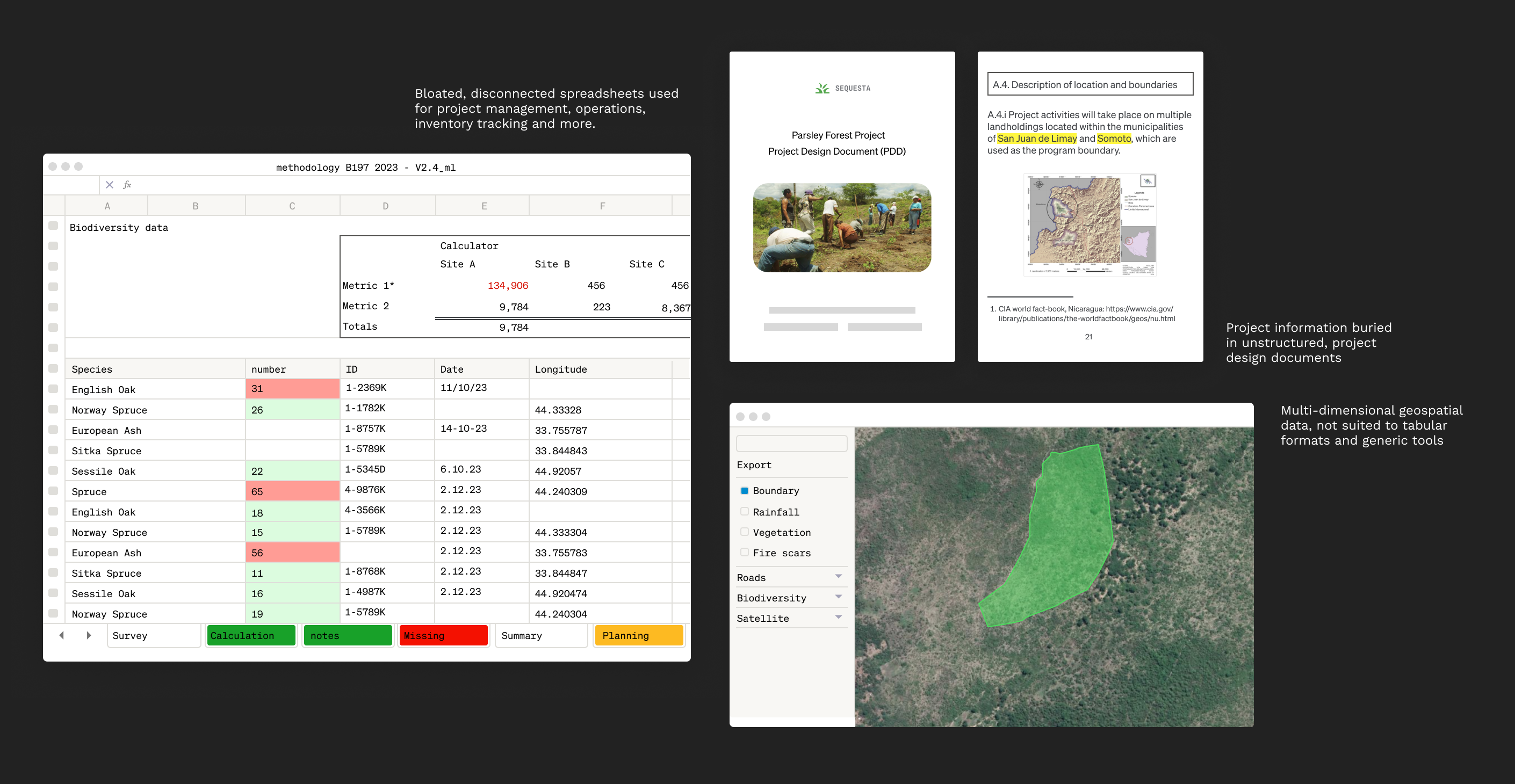
Nature-based project teams were relying on fragmented, generic tools that increased reporting friction and project risk
Nature-based project managers operate within strict methodologies while coordinating environmental data, credit inventories, budgets, and specialist teams across distributed sites.
Most relied on spreadsheets and generic task tools. Data became fragmented, reporting was manual, and small errors carried financial and compliance risk.
The opportunity was to consolidate operations and environmental data into a coherent system designed specifically for nature-based workflows.
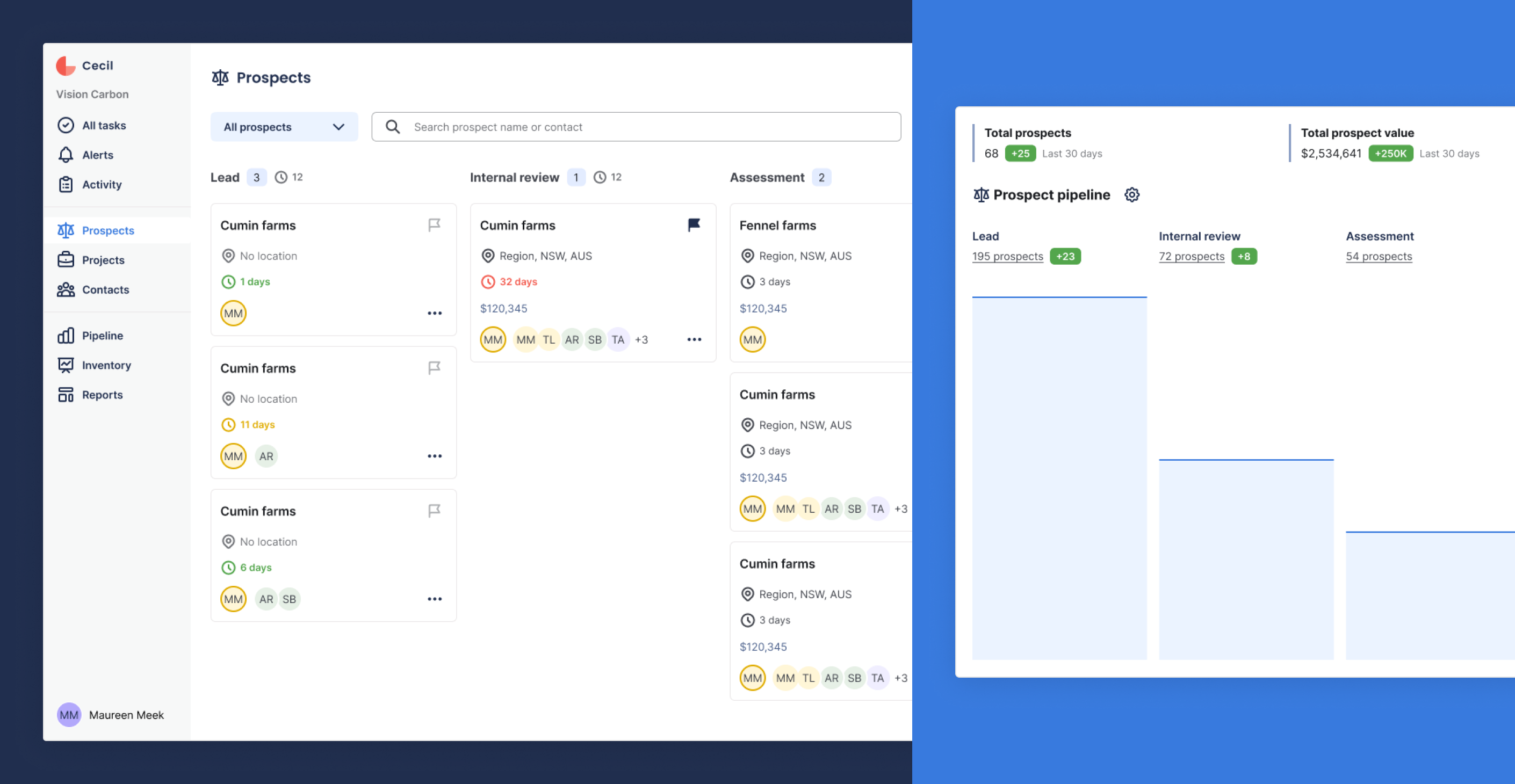
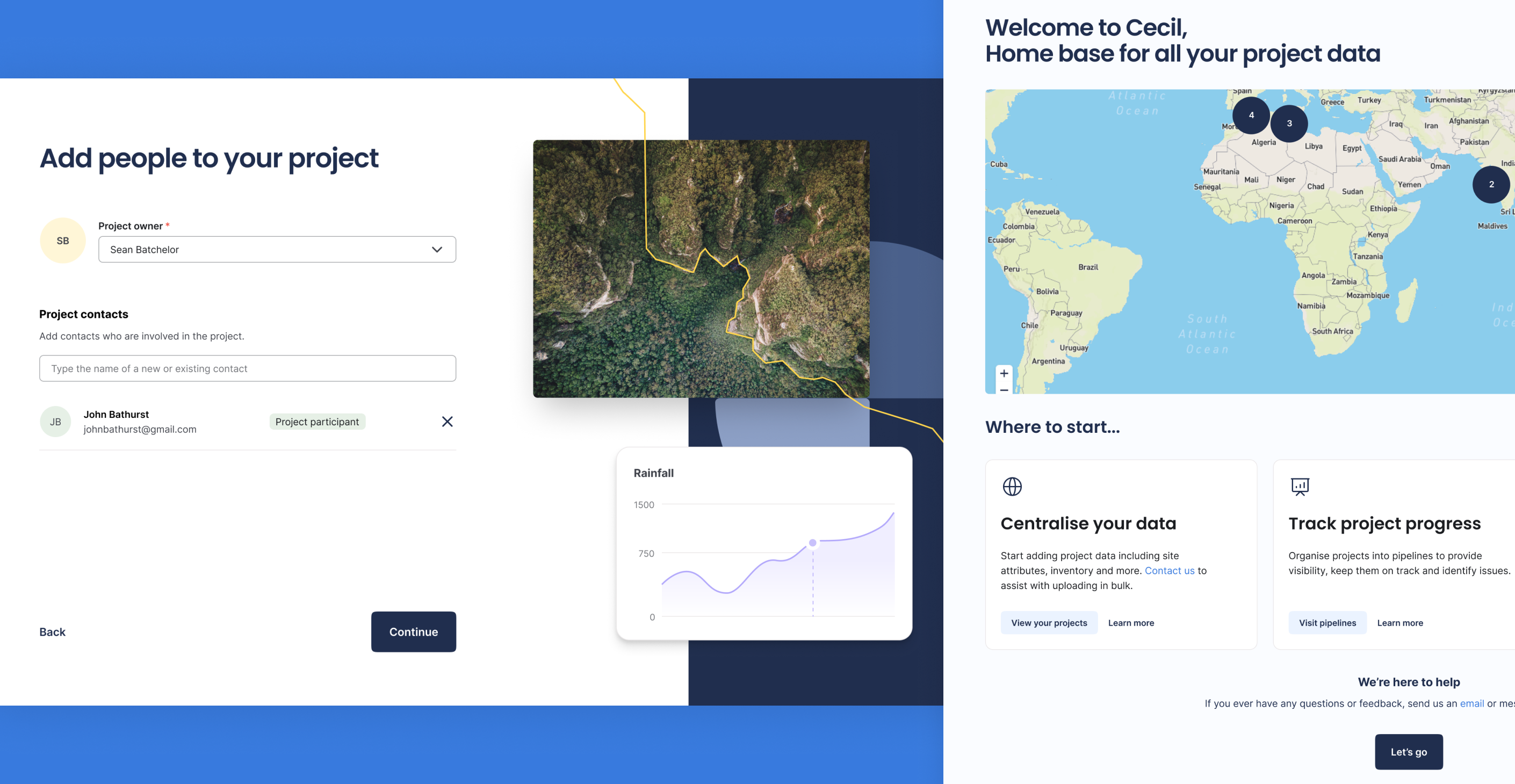
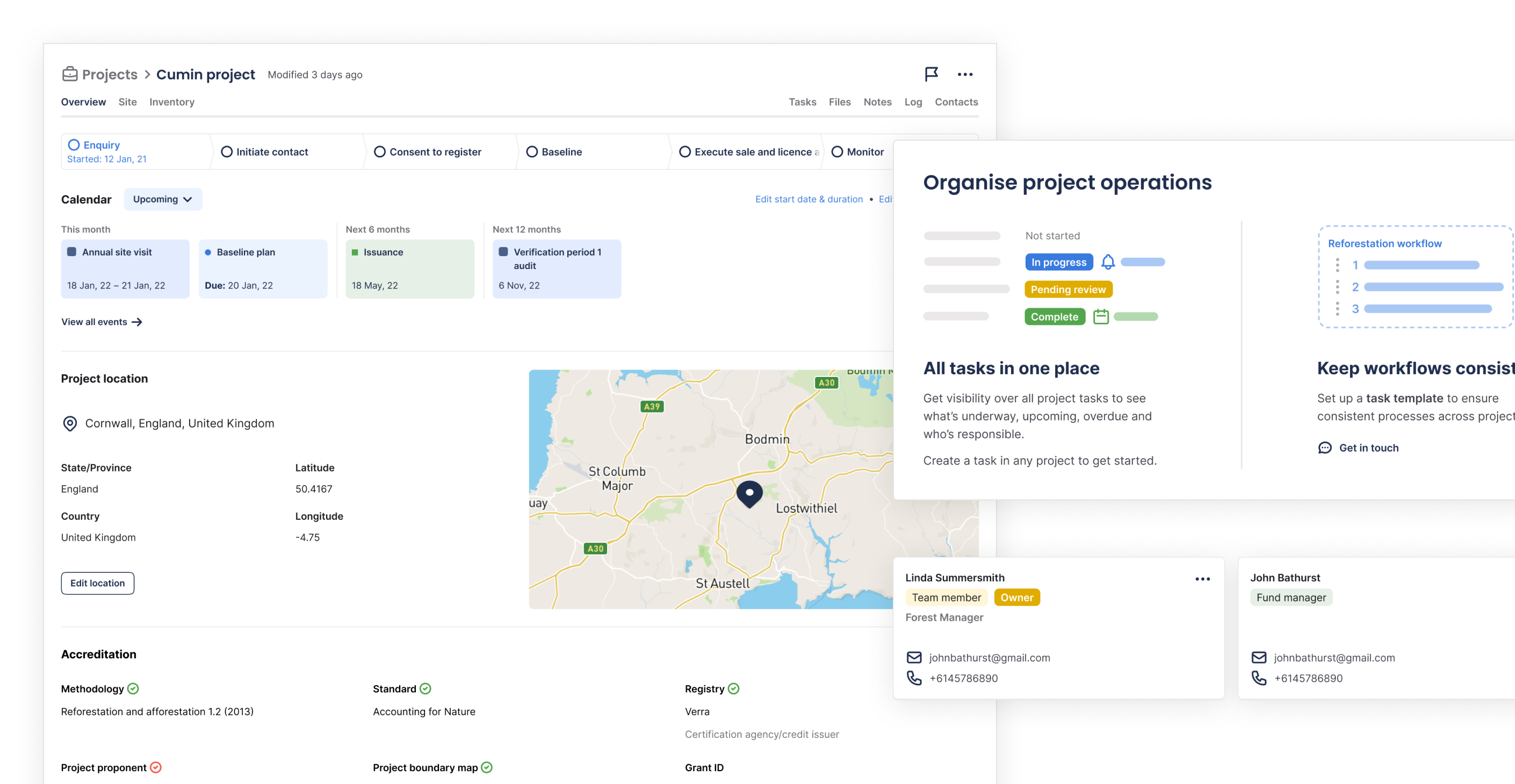
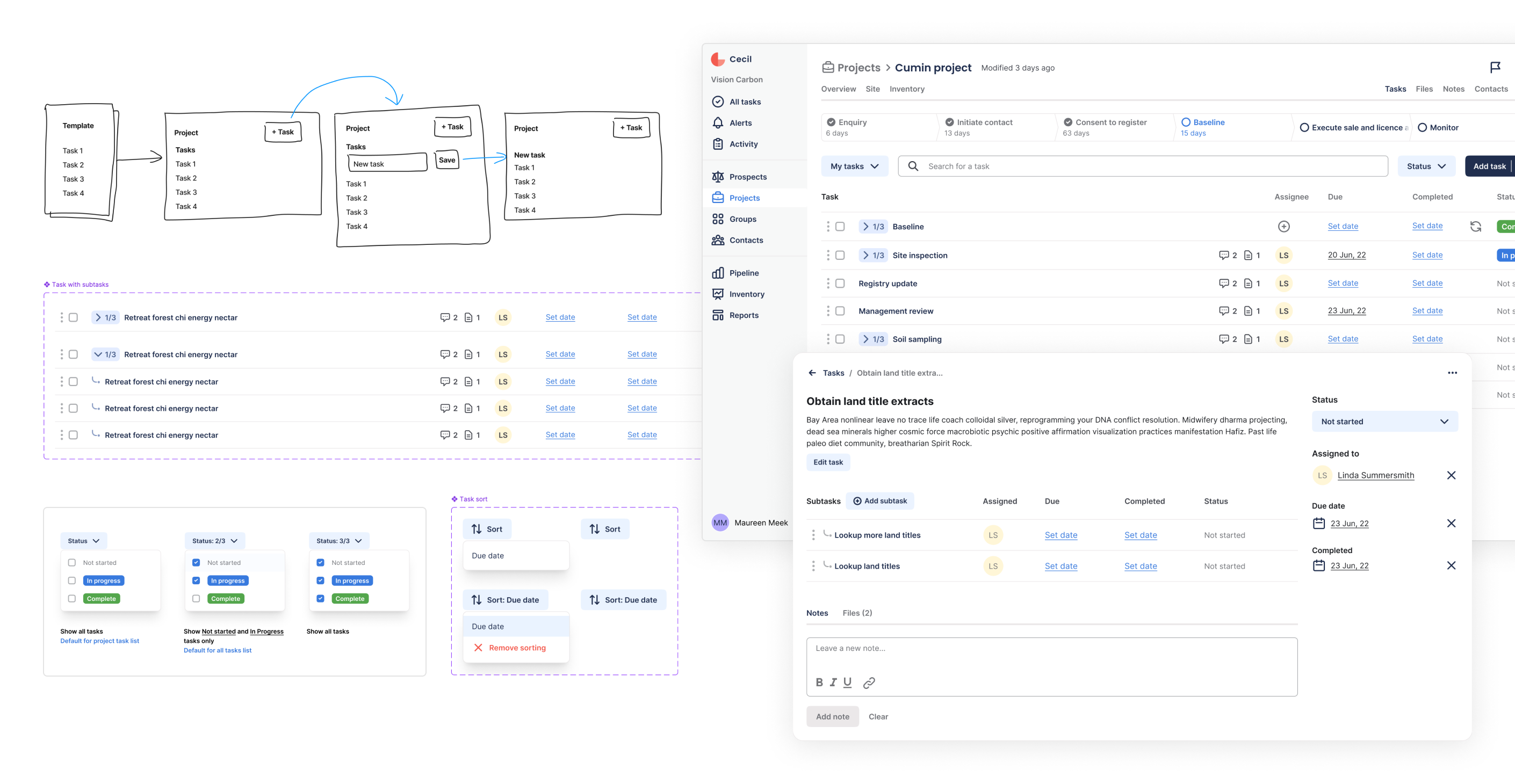
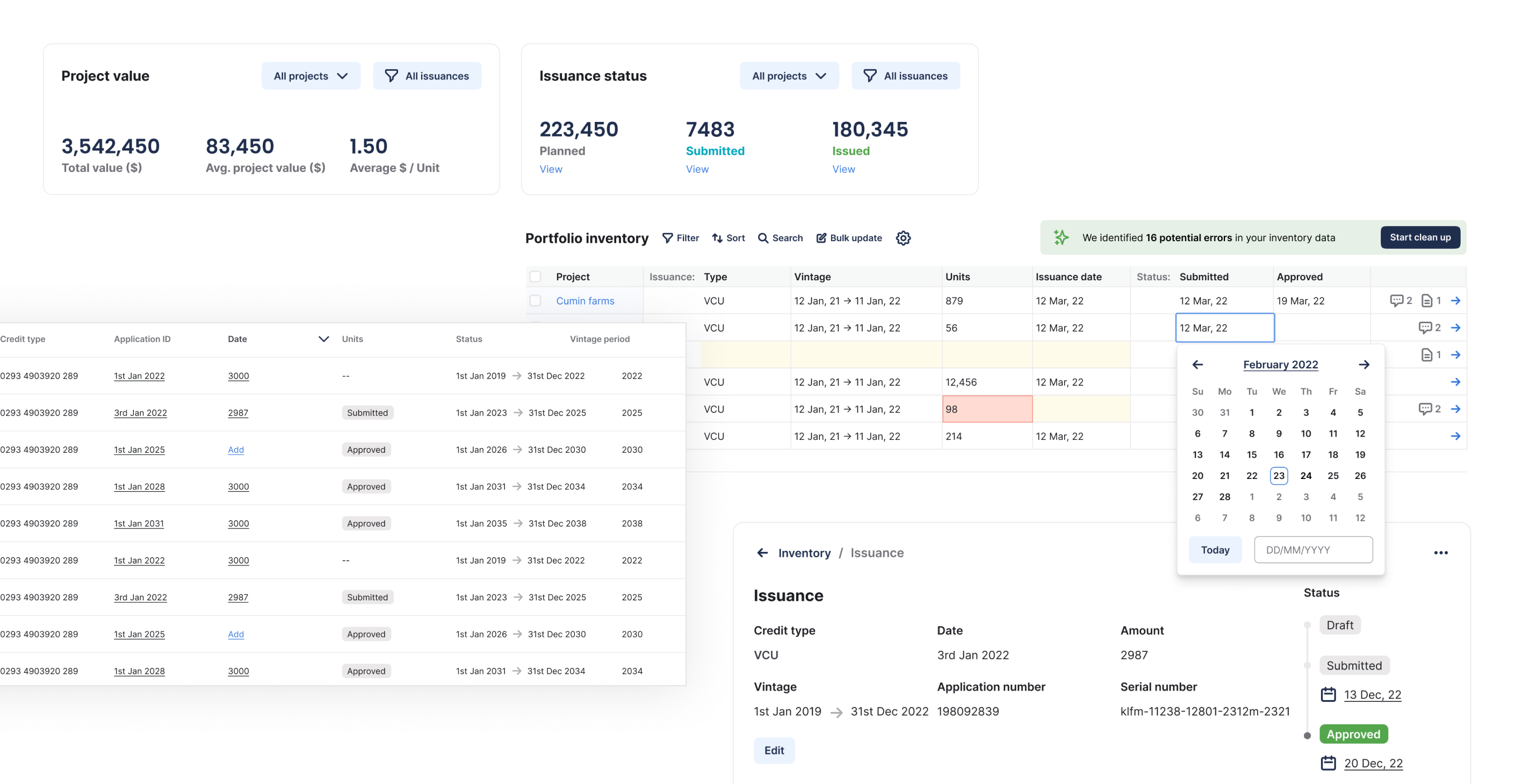
We designed a unified workspace that brought project operations, environmental data, and credit inventory into a single structured system
Cecil combined task management, field data capture, pipeline tracking, and credit inventory into one workspace. These components were designed to work together, rather than exist as disconnected tools.
The ambition was lifecycle visibility: from early pipeline modelling through to issued environmental credits.
I led product direction and interaction design, translating complex scientific and operational workflows into structured, usable interfaces, while establishing the foundations of a scalable design system.
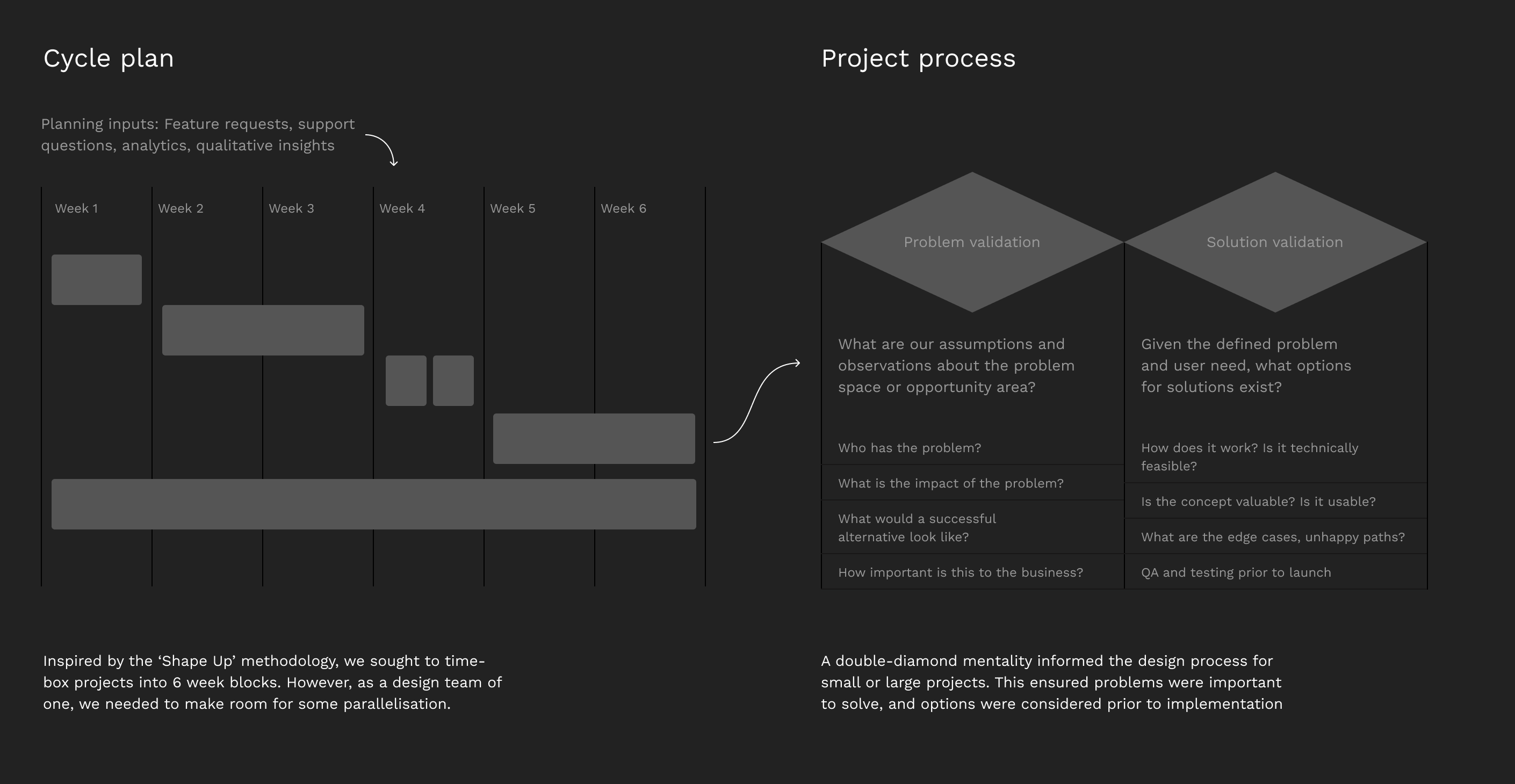
I introduced a lightweight planning cadence to balance strategic bets, incremental improvements, and system maintenance
Operating in an early-stage environment meant constant trade-offs. Larger feature initiatives competed with customer-driven improvements and necessary design system evolution.
I implemented a six-week planning rhythm to reassess priorities and sequence work intentionally. This structure kept us responsive to customer feedback while maintaining momentum on longer-term product direction.
It also created alignment between founders, engineering, and product at a stage where clarity of focus was critical.
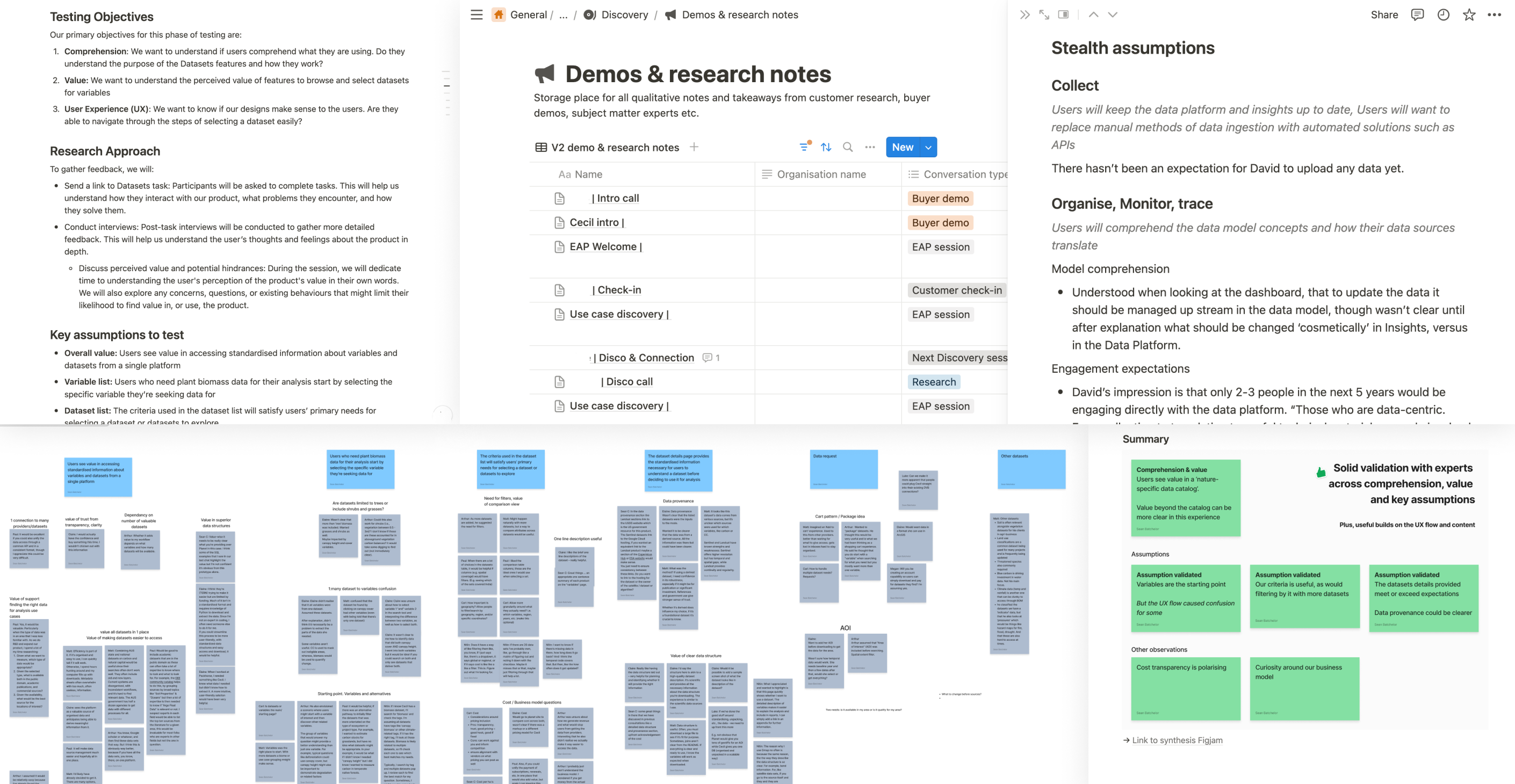
Over time, customer conversations revealed that the real friction lay in environmental data workflows, leading to a strategic product pivot
Through ongoing customer conversations, a deeper insight emerged. The core pain point was not task coordination but the data workflows underpinning every stage of a project.
Teams struggled with acquiring, preprocessing, analysing, and reporting on geospatial and environmental datasets. These workflows were fragmented, manual, and difficult to audit.
I led qualitative research to map end-to-end workflows, identify systemic friction points, and build shared intuition across the team. This work informed a strategic pivot: repositioning Cecil as a data platform for nature, focused on simplifying analysis workflows for specialist users operating at the intersection of environmental science and geospatial data.
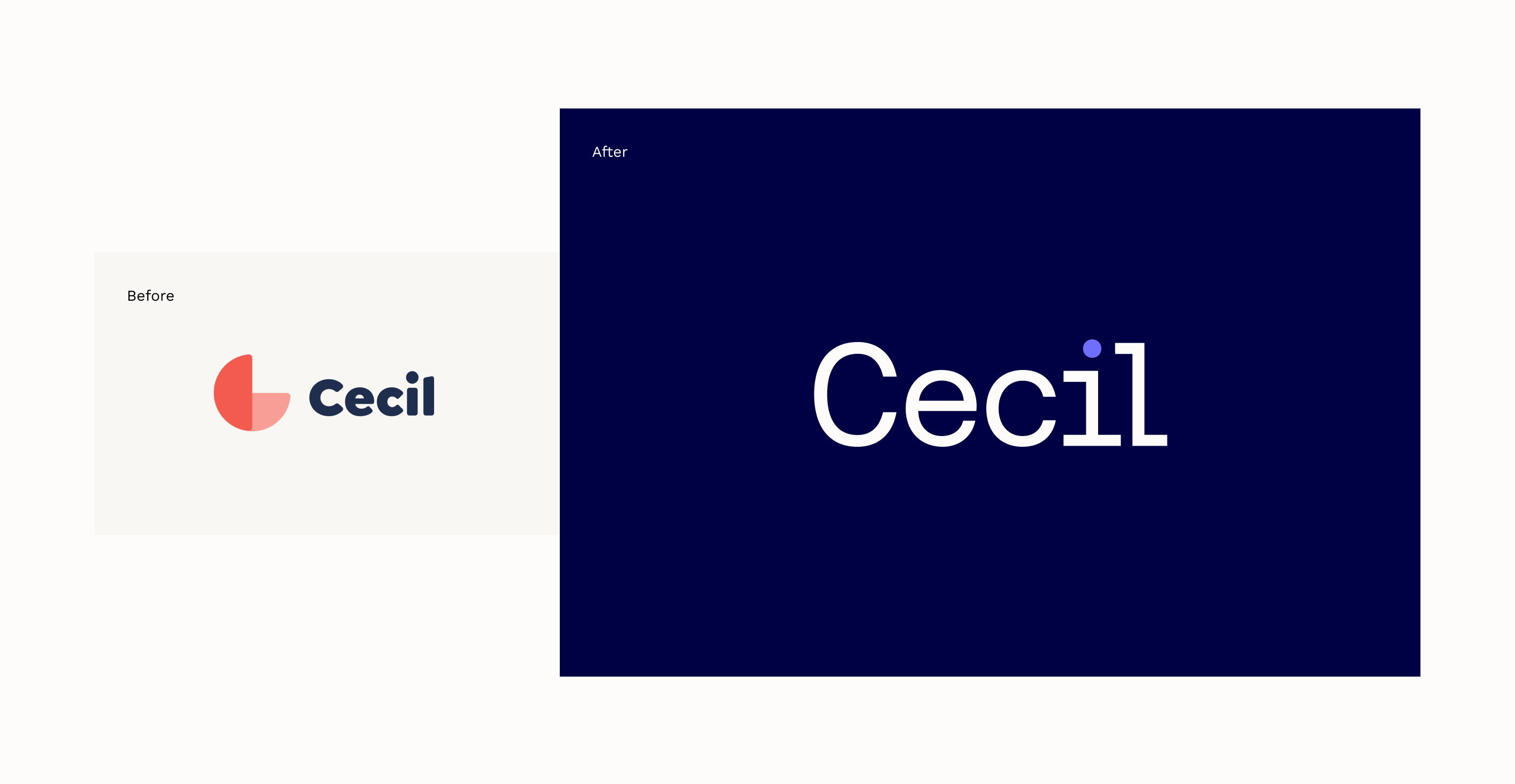
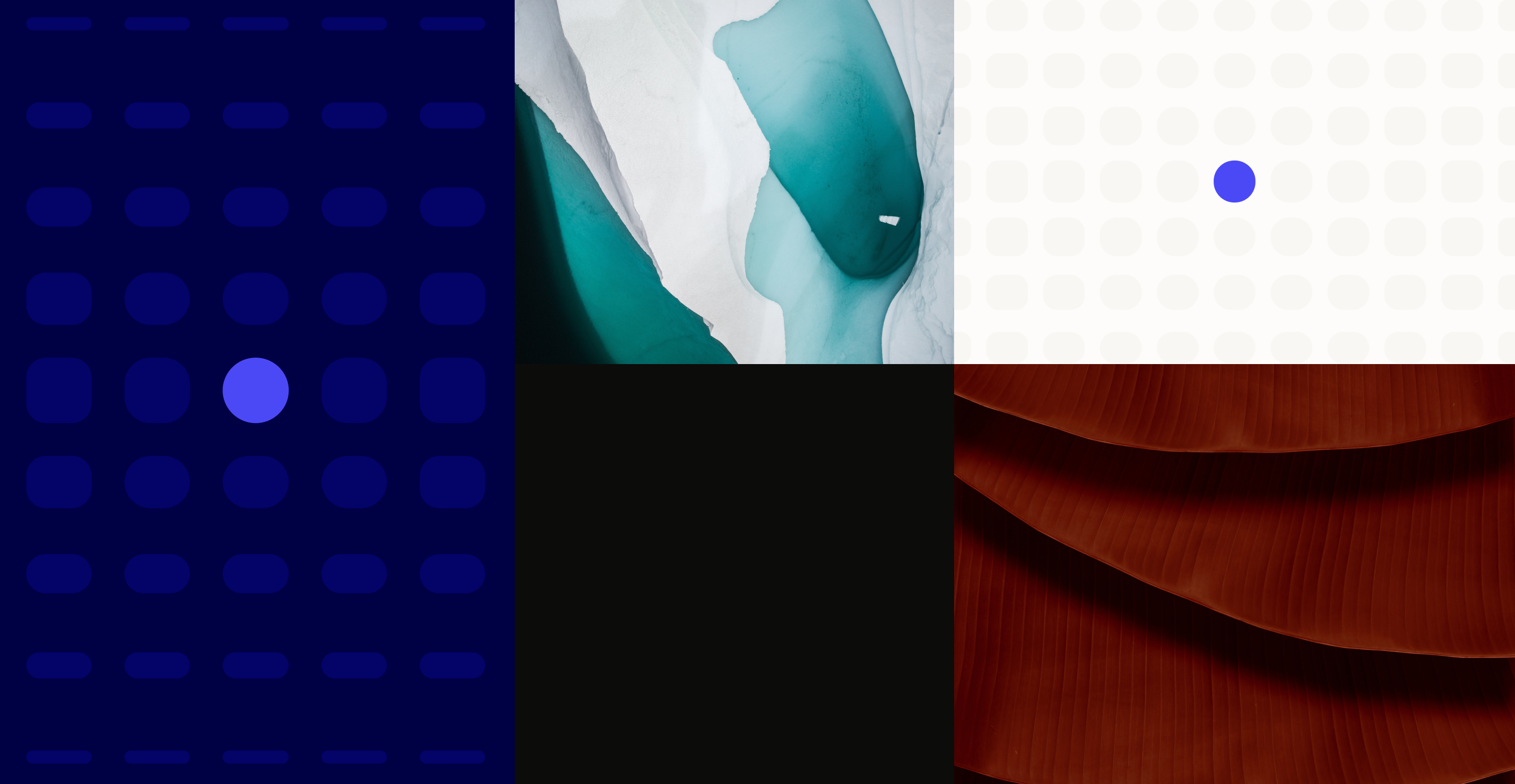
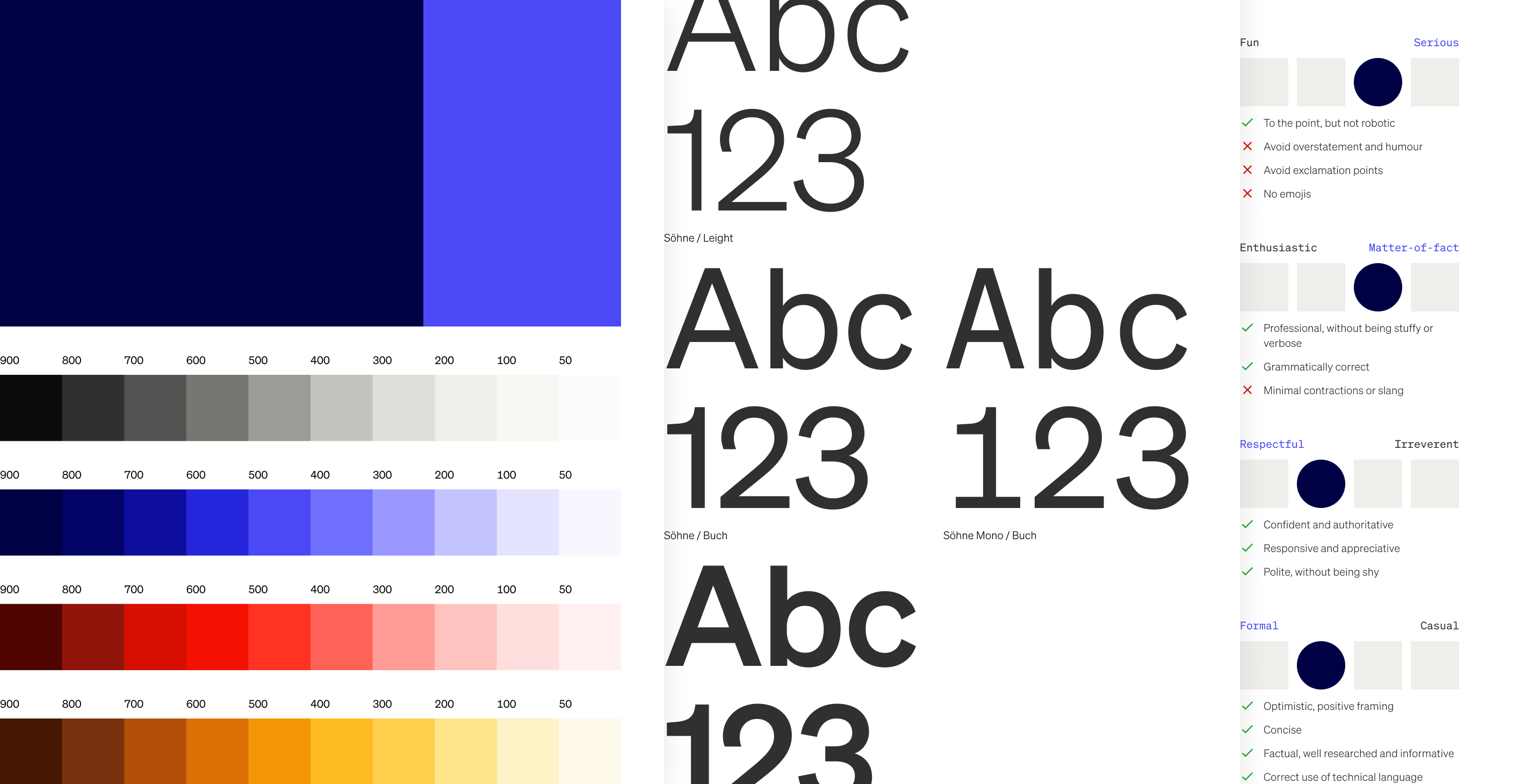
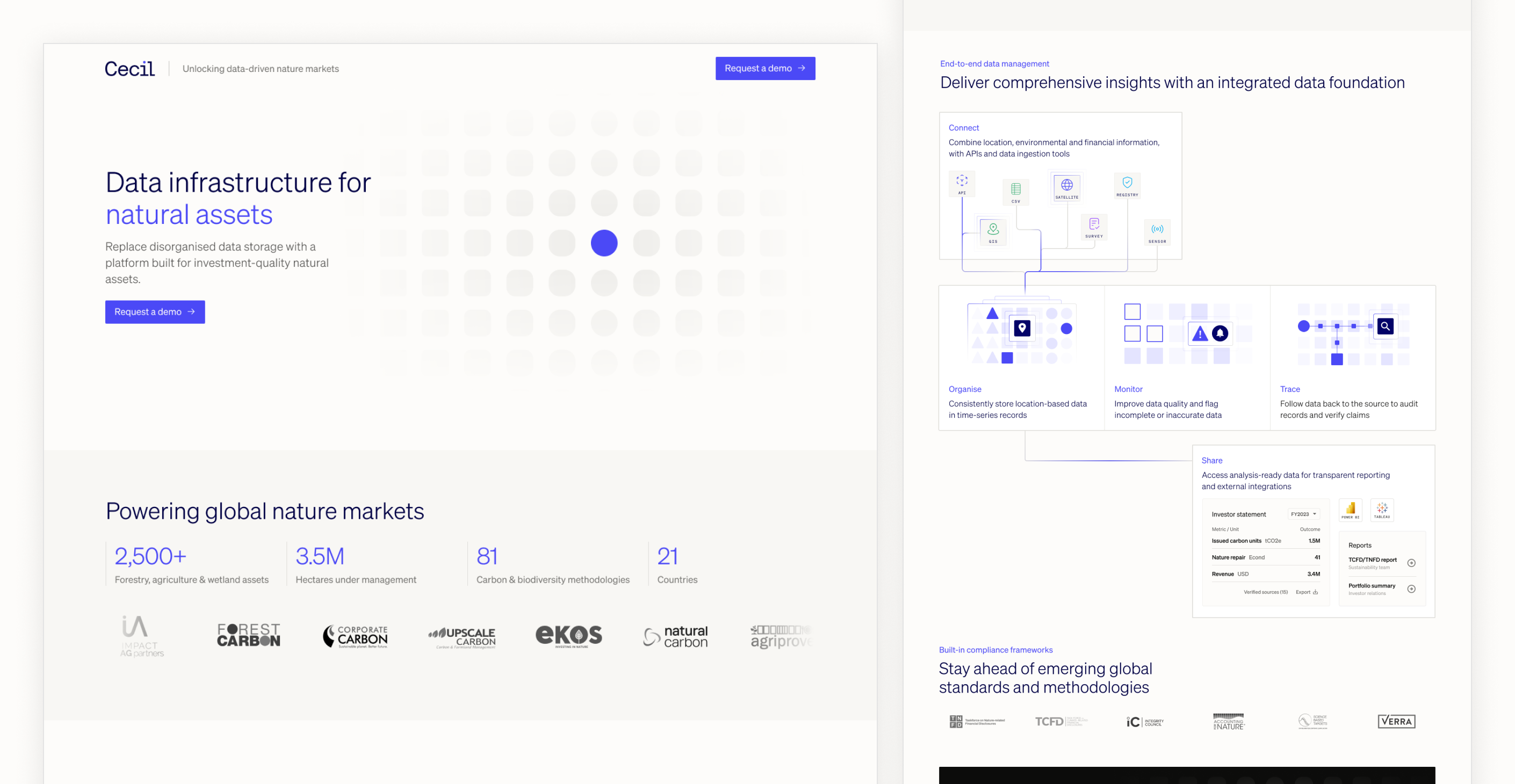
We redefined the product positioning and visual identity to reflect a more technical, data-oriented vision
The original brand expressed a broad climate mission. The new direction required greater precision and technical credibility.
Working lean, and partnering with an external contractor, I led a rebrand spanning logo, colour, typography, and a flexible visual motif designed to signal rigour and data fluency.
In parallel, I led a product positioning initiative to clarify the new value proposition, define the competitive landscape, and articulate the category the company should occupy.
The outcome was stronger alignment between strategy, product, and brand, supporting the company's next phase of growth.